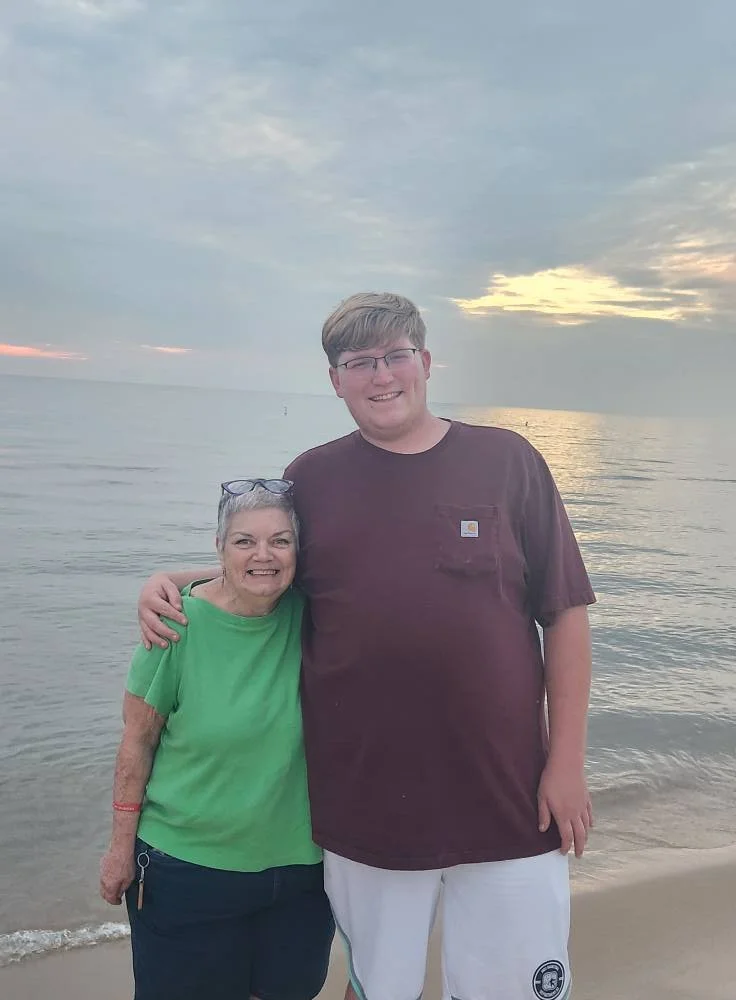
Hi, I’m Michael Wolfe
I’m here to learn, teach, and be a good steward of the breeds I work with—especially Jersey Woolies. Through Top Tier Farms and my work as an ARBA-licensed registrar, I focus on education, honest evaluation, and supporting exhibitors who want to build something lasting.
My Journey with rabbits
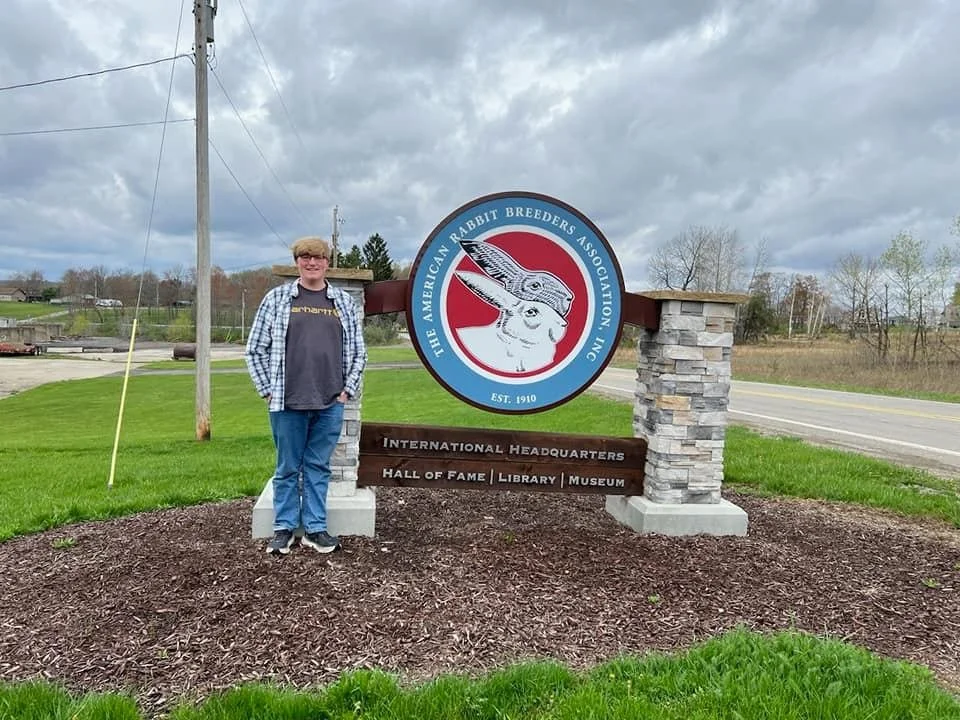
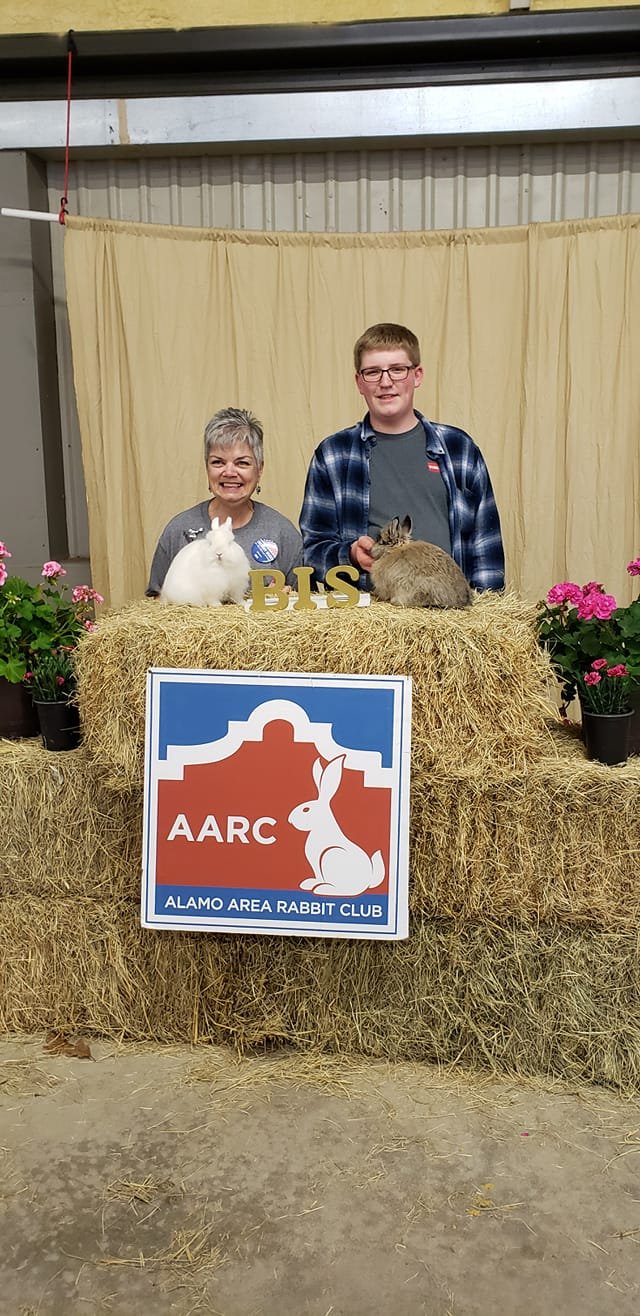
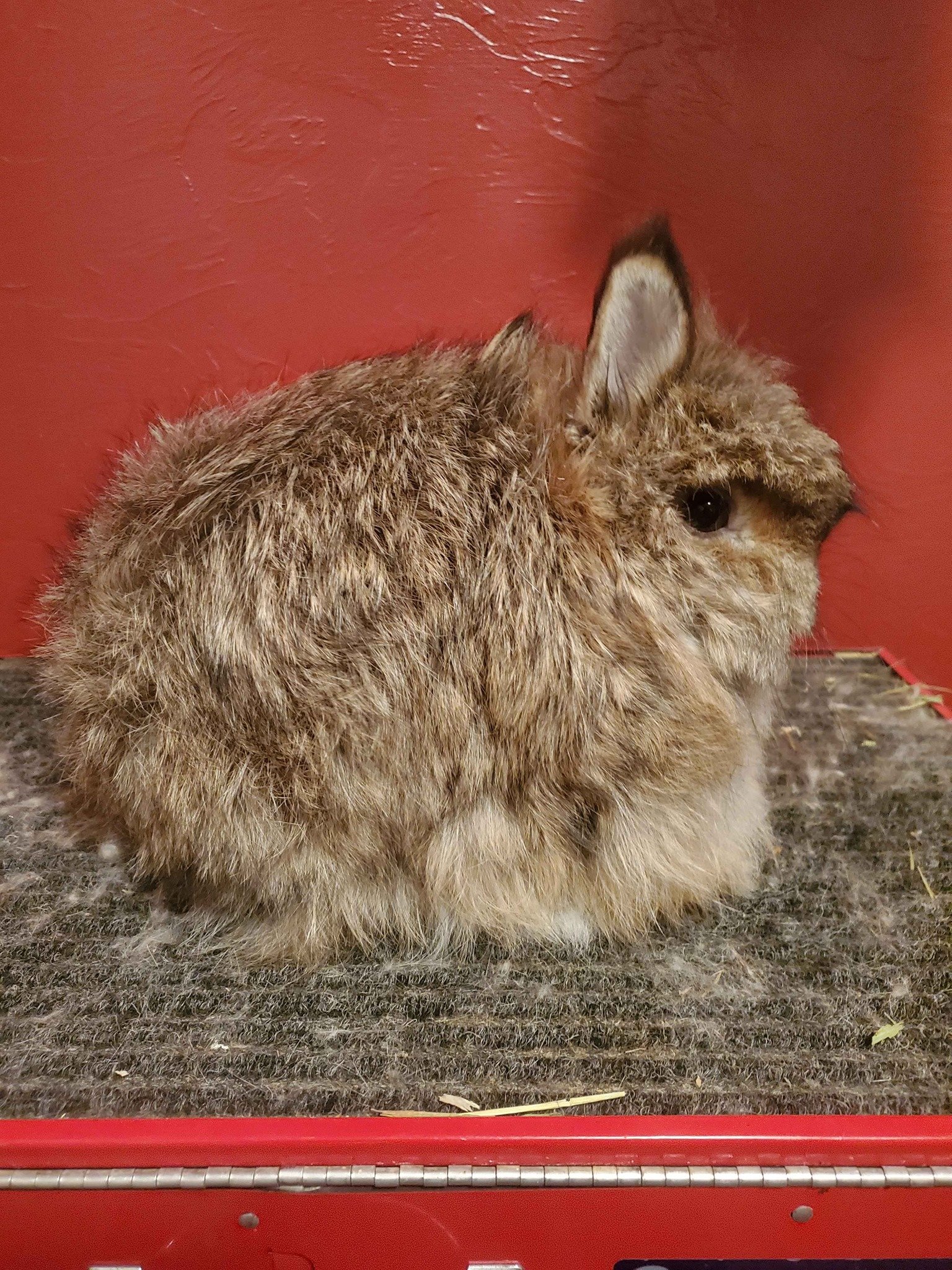
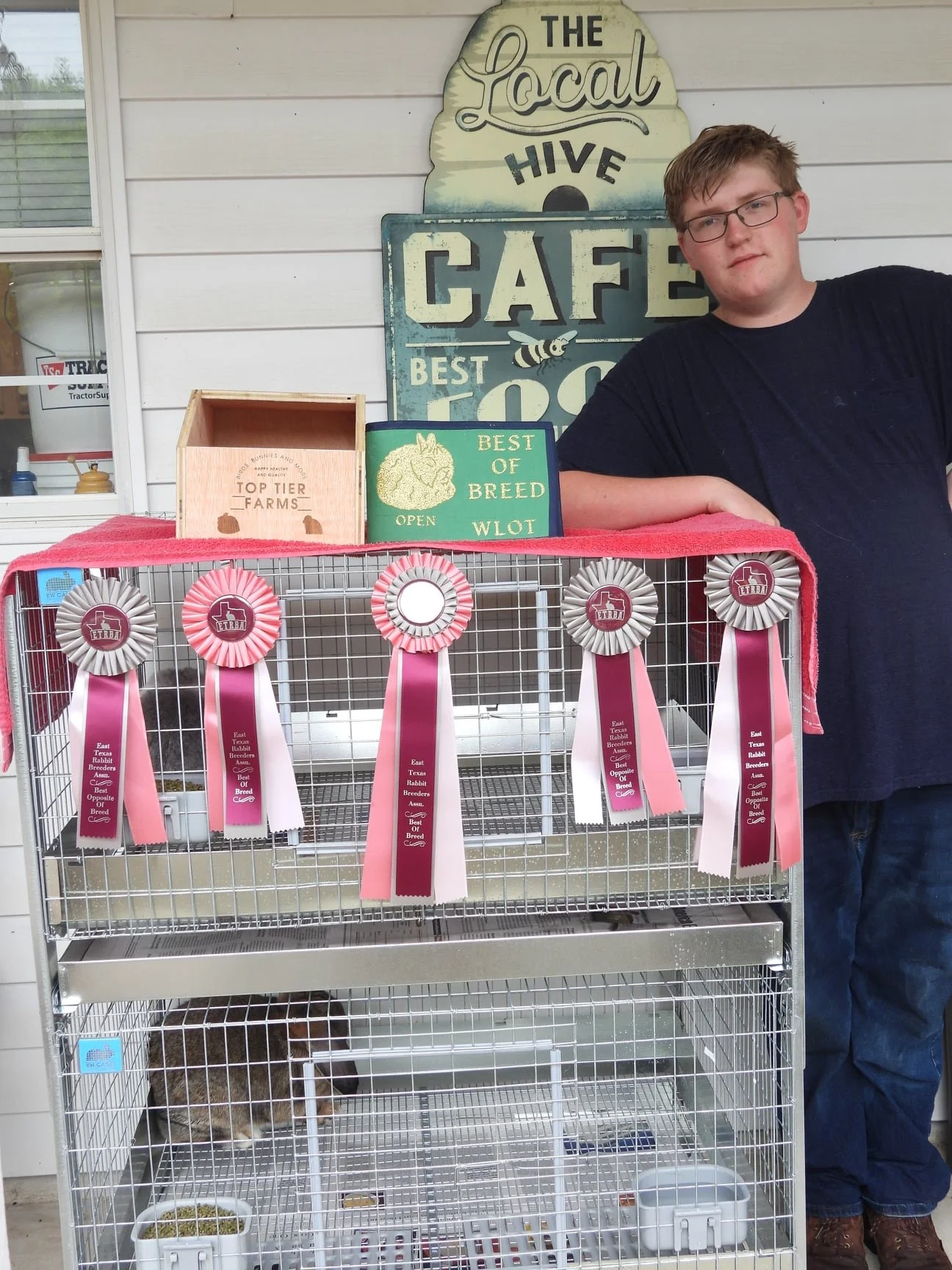
I didn’t get into rabbits because I had some grand plan—I just wanted a way to exhibit livestock. In Spring 2011, that started with a broken blue Jersey Wooly from a pet store, and a kid who didn’t know any better… but knew we couldn’t afford to compete in cattle, goats, or sheep. Rabbits were the door that was actually open, so I walked through it.
That first rabbit’s name was McFlurry—like the ice cream from McDonald’s. And while he wasn’t a carefully selected animal with generations of pedigrees behind him, he gave me something more important than a ribbon: a starting point. He introduced me to competition, to livestock culture, and to a community that rewards patience, consistency, and learning.
My first time exhibiting was the Collin County Junior Livestock Show in January of 2012. I was excited just to be there—to finally be involved in showing livestock. But the moment rabbits truly clicked for me was stepping into my first ARBA show environment: the ETRBA show in Canton, Texas, around Spring 2013. That was a different world—serious exhibitors, real breeding programs, and people who cared about type, condition, and consistency.
Early on, my first “real” show stock came from Terri Snell—broken Jersey Woolies. I had quite the affinity for brokens at that time. Now, I can’t really stand to have them in my barn.
That change came from experience. A lot of folks starting out don’t realize the complexity of the broken pattern. It’s easy to see a broken and think it’s just color plus white, but breeding consistent, correct pattern is its own challenge. I struggled with pattern for a long time, and I don’t say that to discourage anyone—at that stage, it just wasn’t a challenge I wanted to keep tackling. Even now, I still have five brokens in my barn, but I primarily plan to keep the solids out of them going forward.
Back then, the open Jersey Wooly circle in Texas felt small and tight-knit. Kathy Moerbe became my first mentor, and when I began showing, the Jersey Wooly exhibitors you’d see at ETRBA shows were names like Terri Snell, Carolyn Cooney, Kathy Moerbe, Dee Pittman, and exhibitors who traveled in from surrounding states—Tracey and Tyrone Freeman from Mississippi, and Heike Cooley and her daughter from Louisiana. Being around people who were committed to the same breed year after year sharpens your eye fast—because you see what holds up over time, and what doesn’t.
In 2020, I moved to Oklahoma, right as COVID-19 was getting bad in North Texas. That move forced me to cut back. I used to maintain more rabbits, but time commitment matters, and I’d rather run a program I can stay on top of than stretch so thin that nothing gets the attention it deserves. Today my rabbitry sits at around 120 occupied holes, and that number reflects what I can manage responsibly.
As my program matured, my focus matured with it. When I first started, I kept Blue-Eyed Whites, Shaded, and Brokens. Today, I primarily keep Agoutis—Chestnut, Chinchilla, and Squirrel—with a very strong Tortoiseshell program. The groups I maintain now are Agouti, Broken, Self (two separate self programs—one chocolate and one intentionally free of chocolate), AOV (Black Pointed Whites, with Chocolate Pointed Whites as a project variety), and Shaded—primarily tort, with several Siamese Sable and Smoke Pearl. My only project varieties currently are the Chocolate Pointed Whites and the Self Chocolates.
If I had to name one trait that matters most to me in Jersey Woolies, it would be balance. Balance sounds simple, but it’s a trick in any species. The more experience you gain, the more you realize how often people chase one thing and lose the whole rabbit. A balanced animal is hard to produce, hard to maintain, and easy to talk about—until you try to build it generation after generation.
That drive to keep learning eventually pushed me into service roles. I became a licensed ARBA Registrar on 05/23/2023, and I’m currently working toward my ARBA judging license. I chose that track because I really want to try to serve the community the same way many judges helped me when I was a little kid—especially youth, because they are our future.
To me, helping youth means education—not just what a show animal is, but what it is worth and why. And more importantly, teaching that brood stock is valuable, too. What’s considered brood quality can vary breed to breed, and I can only speak from the breeds I’ve raised and work with—but if you want a program to last, you have to understand the difference between “a nice winner today” and “a building block for tomorrow.”
I can point to several judges and breeders who shaped how I see rabbits. Scott Rodriguez and Alan Messick really helped me understand structure. Eric Stewart helped me understand coat structure and the importance of grooming when he came down to judge in Texas. Misty Polisak and Chase Austin taught the importance of balance and staying impartial to my own preferences and what the standard says. Other people who helped me with Jersey Woolies growing up include Timmy and Danielle Bauer with Fuzzyville Rabbitry—they sent me multiple rabbits to help me out. Brian Caudill shaped my perspective on breeding, especially the Jersey Wooly, and my agouti stock primarily starts from him as the foundation. When I came to Oklahoma, April Sefcik helped revive my agouti program.
Not every part of this journey has been easy. During my move in 2020, I lost A.C. in my transition barn while I was four hours away and didn’t know it. A lot of my work as a youth was essentially lost, and I was devastated. I was very fortunate to have Kathy Moerbe, Gail Moore, and April Sefcik help me rebuild my herd after that loss. Linda Haberkamp helped me rebuild my Holland Lops, and Connie Burant helped me with my Silver Martens.
Over the years, my show career includes multiple BIS, RIS, and Second RIS wins with my Jersey Woolies. I also have several BIS and RIS wins in my Silver Martens, which are currently being rebuilt. When I had New Zealands, I had quite a few BIS wins as well. Those achievements matter, but they aren’t the whole story. The real reward is building a program that improves, learning how to see animals honestly, and helping someone else climb the same learning curve a little faster than I did.
I don’t sell rabbits very often, but when I do, I hope they go to people who will utilize them properly. I’m a critical person when it comes to my animals—and because of that, I love to educate people. If you’re new, if you’re a youth exhibitor trying to learn what to keep and what to cull, or if you’re trying to build a herd instead of just buying rabbits, I’m always glad to share what I’ve learned within the breeds I work with.